Skeleton Hands Cold Cup: A Designer's Honest Review
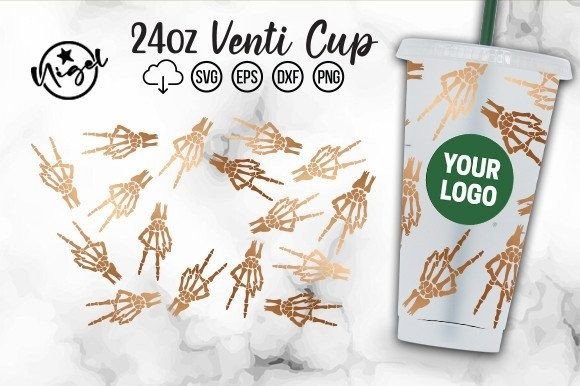
When I first pulled up the Skeleton Hands Cold Cup design, I felt that immediate spark of recognition. The kind that tells you a design has personality before you even start thinking about placement or thread colors. The skeletal hands wrapping around the cup shape create a mood that is equal parts playful and slightly eerie. It leans into spooky season aesthetics without shouting, which is a rare quality in themed graphics. The composition feels intentional, like someone understood that the best seasonal designs are the ones people want to use well past October.
As someone who has spent years testing designs across embroidery machines, vinyl projects, and mixed-media crafts, I evaluate every file with a mental checklist. Does the linework translate well? Will the negative space hold up on different backgrounds? Is there enough detail to feel premium but not so much that it becomes a stitching nightmare? The Skeleton Hands Cold Cup graphic passes several of those checks right out of the gate, but there are a few things worth unpacking before you commit to a full production run.
First Impressions and the Visual Personality of the Design
The hand-drawn quality of the skeletal hands is what immediately caught my attention. The bone structure feels organic rather than rigidly anatomical, which makes it more approachable for everyday products. The fingers curve around the cup shape in a way that suggests grip and movement. It is not a static skeleton. It has a bit of attitude. For crafters making Halloween merchandise, gothic-inspired accessories, or even edgy everyday drinkware, this design communicates a specific vibe without needing extra text or embellishment.
The full-wrap layout means the design is meant to cover the surface of a Venti Cold Drink 24oz cup. That is a substantial canvas. On a tumbler, this would create a seamless, immersive look. If you are thinking about adapting this for embroidery, the wraparound concept presents both opportunities and challenges — something I will get into shortly.
Where This Design Truly Belongs in a Craft Business
Let me paint a real scenario. I recently helped a small shop owner prepare for a fall artisan market. She wanted products that felt seasonal but not disposable. The kind of items customers would keep using long after the pumpkin spice frenzy faded. We looked at dozens of skeleton-themed graphics, and most felt either too cartoonish or too detailed for clean production. A design like Skeleton Hands Cold Cup would have fit perfectly on a set of personalized tumblers, paired with a matte black finish and maybe a subtle name etched or printed on the opposite side.
For Etsy sellers and small shop merchandise, this design lives in that sweet spot between niche and broadly appealing. It is specific enough to attract buyers searching for skeleton-themed items, but versatile enough to work on everyday products. Think about custom apparel like a unisex sweatshirt with the design adapted to a chest print. Or a tote bag with the hands creeping up from the bottom edge. The graphic nature of the skeleton hands translates well to both cut vinyl and, with the right digitizing, to embroidery applications.
The Reality Check: Using This as an Embroidery Designer
Here is where I need to be direct. The Skeleton Hands Cold Cup design is listed as a cutting machine graphic, compatible with Design Space, Silhouette Studio, and similar software. It is not an embroidery file. If you are an embroidery designer, you will need to digitize this artwork yourself or work with a digitizer to convert it into a stitch-ready format. This is not a dealbreaker, but it is an important step that affects timeline, cost, and the final stitched quality.
When I look at the bone details and the flowing finger shapes, I can see where a satin stitch would add beautiful definition along the edges. The open spaces between the phalanges could work well with a fill stitch or be left as negative space depending on the fabric. The key is testing. I always recommend running a sample on scrap fabric before committing to a full project. Check how the thin bone lines hold up at different sizes. On a small hoop size like a 4x4, the finger details might close up or become muddy. A larger hoop, something in the 5x7 or 6x10 range, would give the design room to breathe.
Fabric Choices and Placement Decisions
Not every fabric plays nicely with skeletal designs. The Skeleton Hands Cold Cup graphic has delicate linear elements that could distort on stretchy fabric or textured fabric like terry cloth or fleece. If you are planning to stitch this onto a sweatshirt, use a sturdy cutaway stabilizer and consider a topping film to keep the stitches from sinking into the nap. For tote bags or pillow covers made from canvas or linen, the design will sit cleanly on the surface with a medium-weight fusible stabilizer.
Dark fabric is where this design can really shine. White or light gray thread on a black background creates a high-contrast look that highlights the bone structure. On light fabric, you might reverse the colors or use a darker thread to maintain visibility. I have seen too many good designs lose impact because the thread color blended into the fabric. Always test a small section before running the full stitch-out.
What Customers Actually Notice
Over the years, I have learned that buyers respond to details they cannot always articulate. With a design like Skeleton Hands Cold Cup, the appeal is in the gesture. The hands feel like they are holding something. That interactive quality makes the product feel more personal and considered. A customer picking up a tumbler with this design is not just seeing a printed graphic. They are experiencing a small moment of connection between the object and the imagery. That is the kind of design thinking that builds customer trust and repeat sales.
For handmade product sellers, this design also photographs well. The wraparound nature gives you multiple angles for product photos. You can show the front, the sides, the way the fingers curve around the cup. This variety in printable mockups and listing photos can increase buyer engagement and help your Etsy listings stand out in a crowded marketplace.
Practical Considerations for Small Shop Owners
Before using Skeleton Hands Cold Cup in your product line, there are a few operational details to confirm. Check the license terms provided with the instant download. Some design assets are cleared for personal use only, while others allow commercial embroidery and finished product sales. If you plan to sell tumblers, apparel, or accessories featuring this design, make sure the license supports that. This is especially important for craft business owners and Etsy sellers who rely on digital products for their inventory.
Also, confirm the hoop size and stitch count if you are working with a digitized version. Since the original file is for cutting machines, any embroidery adaptation will require a separate digitizing process. Test the design on the actual product you intend to sell. A tumbler wrap design looks very different when applied to a curved surface versus a flat one. The same is true for embroidery. A design that looks perfect on a flat monitor might shift or distort when hooped on a curved cap or a layered garment.
Projects Where This Design Excels
Based on my experience, here are the product types where Skeleton Hands Cold Cup would perform best:
- Personalized tumblers for Halloween gifts, gothic accessory lovers, or year-round spooky aesthetic fans
- Embroidered patches with a merrowed edge, stitched onto denim jackets or backpacks
- Sweatshirt embroidery adapted to a chest or sleeve placement, using a simplified version of the hand design
- Tote bag designs where the hands appear to grip the bottom edge or the strap
- Kitchen towels with a single skeleton hand motif for seasonal decor that does not overwhelm the piece
- Pillow covers for Halloween or gothic-themed home decor collections
- Aprons for baristas, bartenders, or home cooks who appreciate darker humor
Where to Use Caution
Every design has its limits. For Skeleton Hands Cold Cup, I would avoid projects that require extremely small scaling. The finger bones need space to remain distinct. Baby embroidery on tiny onesies or bibs might not give the design enough room to read clearly. Thin fabric like lightweight jersey can pucker under dense stitching, especially if the digitized version has high stitch density in the bone areas. Always use proper stabilizer and consider a topper for fabrics with nap or texture.
Curved surfaces like caps require careful hooping and possibly design modification. The full-wrap layout is optimized for a cylindrical cup shape, so adapting it to a hat brim or curved panel will need some adjustment. Test your placement on a scrap cap before committing to a finished piece.
Why This Design Works for Multiple Craft Mediums
One of the smartest things a designer can do is invest in assets that work across different product types. The Skeleton Hands Cold Cup graphic, while originally intended for cutting machines and tumbler wraps, has a visual language that translates well. The Graphics category placement makes sense because the file is fundamentally a digital design asset. Whether you use it for vinyl, sublimation, or as a reference for embroidery digitizing, the core artwork is strong enough to support multiple Crafts applications.
From a brand consistency standpoint, using the same design across different product types creates a cohesive shop aesthetic. A customer might first discover your skeleton hands tumbler, then return for a matching embroidered tote or a patch. That kind of visual continuity builds recognition and trust.
Final Thoughts Before You Stitch or Sell
I have reviewed hundreds of designs over the years, and the ones that stick with me are the ones that feel like they were made by someone who understands how crafters actually work. The Skeleton Hands Cold Cup design has that quality. It is not overly complicated. It does not rely on trendy text or busy backgrounds. It gives you a strong concept with clean lines and lets you decide how to bring it to life.
Before you list it in your shop or stitch it onto a product, do your due diligence. Test the design on scrap material. Check the thread color contrast on both light and dark backgrounds. Confirm the license terms for commercial use. If you are digitizing for embroidery, inspect the stitch density and run a test. The best designs are the ones that perform well in the real world, not just on a screen. With the right preparation, Skeleton Hands Cold Cup can be a memorable addition to your product lineup.