A Koi Cup Wrap for Embroidery Projects: My Designer Review
When a new embroidery design lands in my library, my first thought isn't just about the files—it's about the life it will have on fabric. Today, I'm looking at Koi, 24 Oz Venti Cup Wrap with the eyes of someone who needs to stitch it, sell it, or gift it. This isn't a generic graphic; it's a potential centerpiece for a handmade product.
The First Impression: Serene Flow & Practical Shape
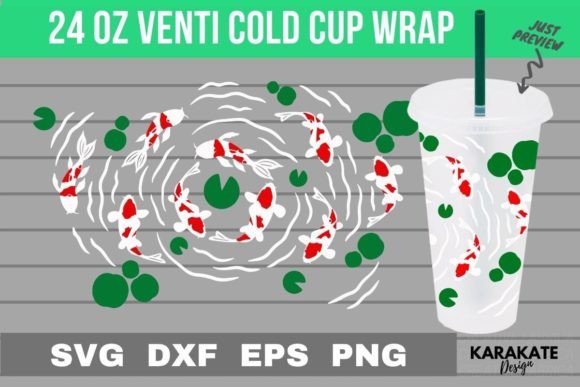
Opening this design, the immediate mood is tranquil and fluid. The koi fish motif, arranged as a wrap, carries a sense of graceful movement. Its visual personality is decorative yet peaceful, perfect for projects aiming for a touch of elegance without being overly ornate. The layout as a wrap suggests it's designed for a curved surface, but its linear flow also makes it adaptable for flat items. The detail level appears balanced—not so minimalist that it feels empty, nor so dense that it would become a stitching challenge on thinner fabrics. It feels like it naturally belongs on items meant for contemplation or calm: a cozy blanket, a meditation pillow cover, or a serene kitchen towel.
Real-Life Embroidery Scenarios: Where This Design Thrives
Imagine pulling this design for a custom order. A client wants a personalized tote bag for a yoga teacher, or a boutique is creating a line of spa-themed aprons. Koi, 24 Oz Venti Cup Wrap fits here perfectly. On a sturdy canvas tote, the flowing fish would stitch out with clear definition, adding significant perceived value. For an Etsy seller creating holiday gifts, this design on a high-quality tea towel or a linen pillow cover becomes a thoughtful, upscale present. Its thematic nature makes it highly giftable.
For apparel decorators, it would work beautifully as a large accent on the back of a sweatshirt or along the sleeve of a relaxed-fit t-shirt, provided the fabric is stable. In baby embroidery, adapted onto a blanket border or a nursery decor item, it offers a gentle, artistic alternative to typical cartoon motifs. As an embroidered patch, it could become a standout piece for a jacket, though its elongated shape requires careful placement.
Where Visual Appeal Translates to Customer Trust
The clarity of this design when stitched directly impacts customer trust and your professionalism. A clean, well-defined koi wrap on a product tells a buyer the maker paid attention to detail. It elevates a simple handmade item into a coherent branded product. For a craft business, using such a recognizable and aesthetically pleasing motif can boost buyer engagement—people are drawn to familiar, beautiful symbols. It makes your digital product previews or printable mockups more compelling, as the design itself carries a strong visual identity.
Caution Areas: Practical Stitching Considerations
My designer instinct notes several places to proceed carefully. The wrap shape implies it might be intended for a curved surface like a cap or cup. Embroidering it on a curved cap requires excellent stabilizer and possibly adjusting stitch density to prevent puckering on the crown's curve. On stretchy fabric like a standard t-shirt, the larger, flowing areas would need a very firm stabilizer to maintain shape after wear and washing.
On dark fabric, thread color contrast is paramount. The design's success would hinge on choosing light, vibrant threads to make the koi pop against a dark background. On textured fabrics like some blankets, the finer details might lose clarity, so a test on scrap fabric is essential. The design likely contains some detailed corners and accents; on very small hoop sizes, these could become muddy. It's not inherently a small-design.
Essential Designer Notes Before You Hoop Anything
- Always test stitch the design on a scrap of your target fabric first. This reveals true stitch density and any potential issues with small elements.
- Check thread color contrast plans for both light and dark fabric backgrounds. Consider creating a black and white mockup to see the form without color.
- Confirm the actual hoop size needed. The "wrap" nature suggests a larger hoop, but verify this with your machine and the actual file dimensions.
- Use the proper stabilizer for your fabric type. This is crucial for maintaining the design's flow and clarity on finished products.
- Review the included file formats for your specific use. You have SVG, DXF, EPS, and PNG. For machine embroidery, you'll convert from one of these vector files, while the PNG is great for digital previews.
- If you plan to sell the finished embroidered products or use it for commercial embroidery projects, confirm the licensing terms of the design asset.
The Final Stitch: A Design for Thoughtful Projects
In my evaluation, Koi, 24 Oz Venti Cup Wrap is a graphics file with strong practical application. It’s not a throwaway motif; it’s a design that asks for a considered project. It would shine on items where its serene theme aligns with the product's purpose—think wellness gifts, boutique kitchenware, or personalized home decor. For the crafter or small business owner, it offers a way to create products that feel specialized and artful, moving beyond basic branding.
The key is matching the design to a compatible base. A dense sweatshirt, a flat apron panel, a sturdy tote bag side—these are its friends. Avoid forcing it onto unsuitable, thin, or highly textured bases where its elegance could be lost. With proper testing and setup, this koi wrap can become a reliable, beautiful asset in your embroidery project repertoire, adding value and visual appeal to your handmade work.