A Saxophone Wrap Design for Cold Cups and Beyond
When an embroidery design lands on your desktop, your first thought as a seasoned designer isn’t just about the file. It’s about the project. You’re mentally scrolling through fabrics, stabilizers, thread charts, and the client’s face when they see the finished piece. So, when I opened the Saxophone 24 Oz Cold Cup Wrap embroidery design, I immediately pictured it not just on the intended cold cup, but on a custom tote bag for a music teacher or a cozy sweatshirt for a jazz enthusiast. This is a design with personality.
The Visual Mood: Elegant, Musical, and Statement-Making
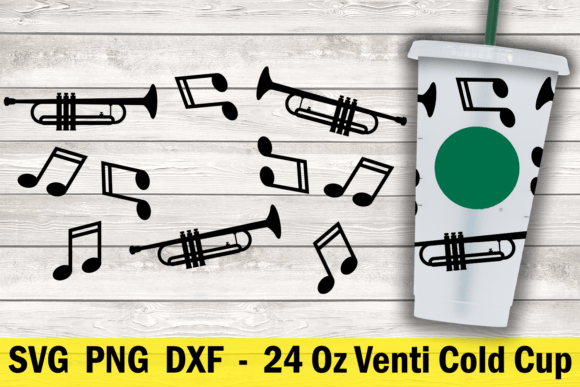
The first impression here is of a clean, thematic statement. The saxophone shape is the undisputed focal point. In embroidery, where detail can sometimes get lost in translation from digital file to stitch, a strong, recognizable silhouette is a huge advantage. This design feels elegant and artistic, not cartoonish or overly simplified. It creates a mood of cultured passion, making it perfect for gifts for musicians, decor for music studios, or branded merchandise for bands or music-themed small businesses.
The layout is straightforward—a single, prominent instrument. There’s no tiny lettering or intricate background elements to worry about, which is a relief from a production standpoint. This means the design’s visual personality is carried entirely by the shape and the subsequent stitch choices you make. It’s a graphic that confidently says “music” without shouting.
Where This Saxophone Design Naturally Belongs
While the product title specifies its use for a 24 oz cold cup, a good embroidery file is versatile. My mind instantly goes to apparel decor. A well-placed saxophone on the chest of a t-shirt or the back of a sweatshirt has immediate appeal. For handmade product lines, think tote bags, aprons for that cool café with live music, or even pillow covers for a stylish living room. It’s a strong candidate for an embroidered patch, which could be applied to hats, jackets, or backpacks.
Consider baby embroidery on a little onesie for a family full of musicians—it becomes a cherished personalized gift. In a craft business context, this file could anchor a whole series of music-themed kitchen towels, holiday gifts, or boutique products. For Etsy sellers and digital product sellers, it’s a solid, thematic design asset for printable mockups and commercial embroidery projects.
Performance in Real Stitching Situations
Moving from potential to practice, let’s talk about how this design would perform when the needle starts moving. The fact that the files are pre-sized and offered in multiple formats, including SVG, is a good start. High resolution means the curves of the saxophone should translate into clean stitch paths.
On stable fabrics like canvas for tote bags or cotton for sweatshirts, this design will shine. The solid shape will allow for nice, smooth fill stitch or satin stitch areas, depending on how the file is built. I’d expect good stitching clarity, making the final product look professional and valuable—key for customer trust and buyer engagement in a handmade shop.
Its simplicity aids in brand consistency if you’re using it across different products. For instance, using the same saxophone design on a staff apron, a shop tea towel, and a promotional cap creates a cohesive look for a music boutique.
Caution Areas: Where to Be Strategic
Like any design, it has places where you need to plan carefully. While the lack of minute detail is generally good, very small hoop sizes might compress the design too much, losing its elegant proportions. Always check the provided size against your intended hoop.
Textured fabrics like some knits or stretchy fabric for t-shirts require excellent stabilizer to keep that smooth silhouette from distorting. On dark fabric, thread color contrast is critical—a gold or silver thread scheme could look stunning, but a low-contrast choice might hide the shape.
Applying it to curved surfaces like caps takes skill; the design’s length might need to be considered for the cap’s curvature. For products needing frequent washing, such as baby clothes or kitchen towels, ensuring a robust stitch density and secure stitching will prevent premature wear. The design itself, being a single graphic, shouldn’t have overly dense stitch areas if it’s well-digitized, but always test first.
Turning the Design into a Successful Finished Product
The journey from file to finished product is where your expertise merges with the design’s potential. This Saxophone 24 Oz Cold Cup Wrap affects more than just aesthetics; it impacts the perceived product value and giftability. A crisply embroidered saxophone on a nice tote bag feels like a thoughtful, upscale gift. For a small shop merchandise item, it elevates the handmade presentation from cute to cool.
For commercial use, its clear, professional look enhances recognition. A customer at a craft fair spots it immediately and connects with the music theme. It’s a design that invites a story, which is gold for creative entrepreneurs.
Essential Designer Notes Before You Hoop the Fabric
Before you commit this to a client’s project or your own inventory, do the practical checks. Always test the design on scrap fabric first. Use the same fabric and stabilizer you plan for the final project. This reveals everything: stitch density, the behavior of detailed corners on the saxophone, and whether any thread trims are problematic.
Check thread color contrast thoroughly. Pull out your thread cards and visualize it on both light and dark backgrounds. I often test it in black and white mockups to see if the form holds up without color. Confirm the hoop size you’ll need; a mismatch is a common rookie error.
Inspect small details in the file preview. Are there any potential jump stitches that could snag? Use proper stabilizer—don’t skimp. And crucially, confirm the licensing before selling finished items or digital products. The product description doesn’t specify license terms, so you must verify this yourself to know if it’s suitable for both personal and commercial projects.
Finally, think about your end product’s life. If it’s a pillow cover, will the stitches hold up to use? If it’s an apron, will it withstand washing? Your practical judgment here turns a good embroidery file into a great finished product.
In the end, this saxophone design is a straightforward, mood-driven graphic. It’s not overly complex, which, in embroidery, is often a strength. It offers a clear path to creating something with personality and professional appeal. Whether you’re stitching it onto the specified cold cup or branching out into apparel, decor, or gifts, its success will hinge on your standard professional practices: testing, planning, and choosing the right project to let its musical elegance sing.