The Sweet Stitch: Evaluating the Heart Candy Cup Wrap Design
When a new embroidery file lands in your digital library, the first question isn’t just “What is it?” but “Where will it live?” As a designer who turns digital graphics into tactile, thread-based products, my review of the Heart Candy, 24 Oz Venti Cup Wrap begins with that very practical lens. This isn’t a mere description; it’s a judgment of how this design will perform when the needle starts moving.
A First Impression: Whimsy Meets Function
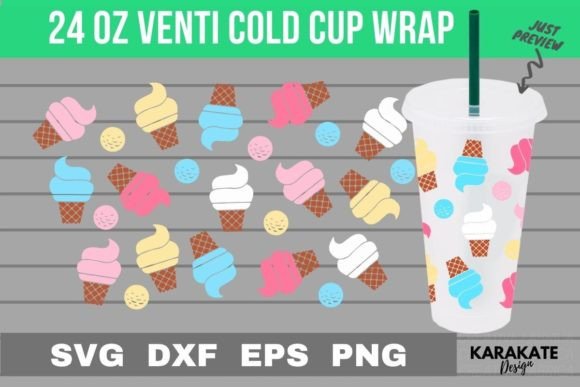
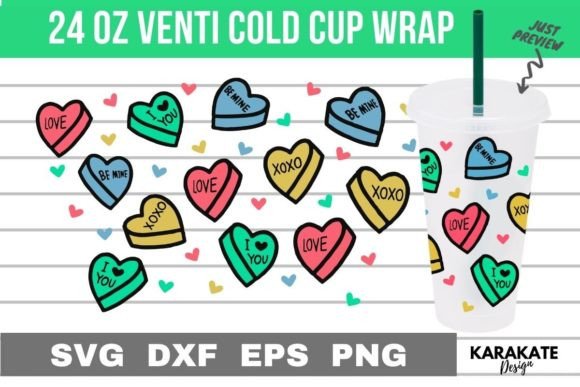
The immediate mood of this design is playful sweetness. The “wrap” concept around a cup suggests a cohesive, encircling layout, which in embroidery translates to a circular or curved flow. This isn’t a static, boxy graphic; it feels like a decorative band, a festive ring of hearts and candy-themed elements. For a craft business or personalized gift project, that visual personality screams “fun” and “celebratory.” It doesn’t feel overly intricate or delicate, which is a good sign for clean stitching. Instead, it hints at a design that belongs on items meant to evoke joy—think birthday gifts, holiday kitchen towels, or a cheerful tote bag for a boutique.
The Real-Life Embroidery Scenario: A Custom Holiday Tote
Let’s picture a real project. Imagine you’re an Etsy seller preparing for a holiday market. You want a line of custom embroidered tote bags that feel festive but not overly Christmas-specific. The Heart Candy, 24 Oz Venti Cup Wrap design comes to mind. Its candy and heart theme leans into general gift-giving sweetness, perfect for Valentine’s Day, birthdays, or just a cheerful winter accessory. You’d hoop a natural canvas tote, select a palette of bright, candy-colored threads—perhaps a bold red for hearts, a soft pink for highlights—and run the machine embroidery file.
The practical question is: how will those curved lines and potential small decorative accents translate into stitches? On a textured fabric like canvas, a design with clear, defined shapes usually performs well. The “wrap” layout means the design likely has a continuous flow, which can be satisfying to stitch and creates a professional, finished look around the bag’s surface. This visual appeal directly impacts product value; a clean, well-executed embroidered motif on a handmade product builds customer trust and elevates the entire presentation.
Where This Design Finds Its Best Home
Beyond tote bags, the Heart Candy, 24 Oz Venti Cup Wrap naturally fits a range of projects for creative entrepreneurs. Consider it for:
- Aprons or kitchen towels: The theme is kitchen-adjacent, perfect for a personalized gift for a baker or coffee lover.
- Pillow covers for a nursery or cozy den: The sweet mood adds a soft, handmade touch.
- Baby clothes or blankets: As a smaller, centered motif, it could make a delightful baby embroidery project.
- Sweatshirts or caps: For apparel decorators, a well-placed wrap design on a curved surface like a cap sleeve or the crown of a hat can be a standout boutique product.
- Embroidered patches: This design could be stitched onto a stable backing to create a standalone patch, a versatile craft business item.
In each case, the design’s personality supports the product’s story. It’s not a generic graphic; it’s a specific, mood-setting asset.
Cautious Stitching: Considerations for Success
Every embroidery design has its ideal applications and its trickier ones. For the Heart Candy, 24 Oz Venti Cup Wrap, its success hinges on understanding its detail level. Without knowing the exact stitch count or density from the provided file pack, a professional approach is essential.
You should be cautious with:
- Very small hoop sizes: If the design is intended as a “wrap,” it might have a larger circumference. Squeezing it into a tiny hoop could distort the layout or compress details.
- Highly textured or stretchy fabrics: Thin jersey or loose knit for t-shirts might require exceptional stabilizer to keep those curved lines crisp.
- Dark fabric backgrounds: The candy theme likely calls for lighter, brighter threads. On dark fabric, thread color contrast becomes critical. Always test on scrap fabric first.
- Products needing frequent washing: If stitch density is high in areas, dense stitch areas can feel stiff and might wear differently. For items like kitchen towels or baby clothes, a simpler stitch execution (like a clean running stitch outline) might be preferable, depending on the file’s construction.
The key is to never assume. The file formats provided—SVG, DXF, EPS, PNG—are excellent for digital previews and mockups. Use that high-resolution PNG to create printable mockups for your Etsy listings, but always run a physical test stitch to inspect small details before committing to a commercial embroidery project.
Embroidery Designer Notes for Practical Use
Before you load this design for a client project or small shop merchandise, here’s your action checklist:
- Test on scrap fabric: Use a similar material to your final product. Check for thread breaks, bobbin tension, and overall clarity.
- Review stitch density in your software: Look at how the fills are built. Are they satin stitch blocks or fill stitch areas? This affects the look and fabric drag.
- Confirm your hoop size: Make sure the design’s implied size fits comfortably. A “wrap” likely needs space.
- Compare light and dark backgrounds digitally: Use your software to preview the design on white and black. This helps plan thread choices.
- Use proper stabilizer: Match the stabilizer to your fabric weight and the design’s detail level. Don’t skip this step.
- Check licensing: The description doesn’t specify license terms. Always confirm the licensing before selling finished items or using the design as a commercial design asset. This is crucial for professional practice and buyer trust.
The Final Stitch: Value Beyond the File
Ultimately, evaluating the Heart Candy, 24 Oz Venti Cup Wrap is about seeing past the digital graphic to the finished product. Its value lies in its ability to be cleanly translated into thread, to enhance a handmade product’s story, and to resonate with a customer. When stitched well, on the right item, it becomes more than a crafts graphic; it becomes a recognizable, professional embellishment that boosts giftability and buyer engagement.
For the embroidery designer, small business owner, or hobbyist, this design offers a thematic tool. It’s not for every project, but for those seeking a dose of playful sweetness on apparel, home goods, or personalized gifts, it’s a compelling candidate. Approach it with practical preparation, and it will likely stitch up into something truly sweet.