Strawberry Cold Cup: Embroidery Design Review
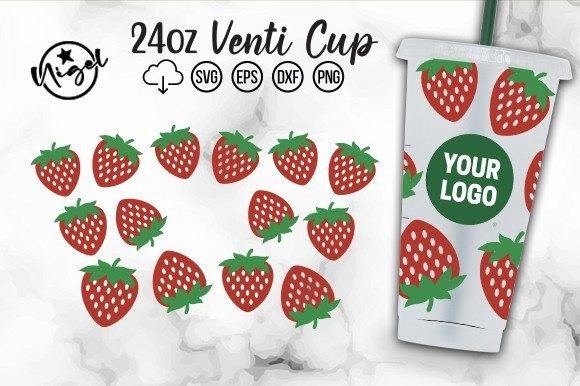
I’ve been pulling design files for a new batch of custom tote bags all morning, and Strawberry Cold Cup caught my eye immediately. The title suggests a crisp, drink-themed visual, but the artwork itself feels like a warm-weather invitation—a full wrap layout built for a 24oz cold cup, bold enough to stand out even when you shrink it down for a pocket or a patch. As an embroidery designer who stitches samples for shop owners and gift makers every week, I look at a file like this and picture it on a canvas tote, a sweatshirt, or a tea towel before I ever think about a tumbler. That’s exactly the kind of versatility I want in a design asset.
First Look: What the Artwork Brings to a Project
Opening the file, the strawberry motif is front and center. The layout forms a full wrap, which means the composition already has a natural flow—it wraps around a surface, making it a strong candidate for small business merchandise where you want a design to feel like it belongs on a curved product. The texture reads like a hand-drawn illustration in many places, with soft leaf shapes and berry seed details that give it a handmade charm. For embroidery, that kind of detail translates beautifully into satin stitch accents and fill stitch combinations, but I knew right away I’d need to test the stitch density on a scrap piece before committing to a finished product.
The mood is playful but not childish. I can picture this on a boutique apron, a market tote, or a linen pillow cover without losing its appeal. The design works for a personalized gift shop, a craft fair booth, or a seasonal product drop. Even as a digital embroidery file, it carries that graphic confidence that catches a buyer’s eye on an Etsy listing thumbnail.
Real Project Testing: From Screen to Stitch
I loaded the design into my embroidery software and started mapping out a test run on a mid-weight cotton tote bag. The goal was to see how the full wrap layout would behave on a flat surface, which is a common request from clients who want a “mini mural” on a bag or a sweatshirt back. The first thing I noticed was the design’s strong visual balance—even when I scaled it down to fit a 5x7 hoop, the strawberry cluster held its shape. The leaves and subtle fruit highlights didn’t blur together, which is a good sign for a graphics file that wasn’t originally digitized for thread.
I ran a test stitch on a piece of cotton canvas with a 2.5 oz cutaway stabilizer. The satin stitch on the berry outlines popped nicely, and the fill stitch inside the fruit had a smooth, almost painted texture. I used a three-color thread palette—deep red, soft green, and an off-white for highlights—and the result looked like a watercolor print. The design’s fill stitch density was moderate, which meant no puckering on the fabric, and the running stitch accents on the cup’s rim gave it a crisp, finished edge. On a sweatshirt or a lightweight knit, I’d definitely add a layer of iron-on backing to prevent shifting, but for a structured tote, this was ready to go.
Where the Design Shines
After a few hours of testing, I could already see this embroidery file finding a home in a handful of real-world products:
- Custom apparel: Sweatshirts, t-shirts, and denim jackets. The strawberry motif has a universal appeal that works for farmers’ market vendors, boba tea shops, and weekend crafters.
- Tote bags and market bags: The full wrap layout naturally suits a wide canvas tote panel. I’d center it on the front and let the design breathe.
- Baby clothing and nursery decor: Soften the thread colors a bit, and this becomes a sweet addition to a onesie, a burp cloth, or a crib blanket.
- Kitchen textiles: Tea towels, aprons, and oven mitts. The fruit theme is a no-brainer for kitchen decor, and the design’s scale works well on a rectangular towel.
- Embroidered patches: The bold strawberry silhouette makes a charming patch for jackets, caps, and backpacks. A carefully placed satin stitch border turns it into a durable, retail-ready piece.
- Small shop merchandise: If you’re stocking a craft booth or an Etsy shop, this design can anchor a line of summer-themed products without feeling trendy or disposable.
Handling Tricky Project Scenarios
Not every fabric or surface will treat this design kindly. I’ve learned the hard way that a gorgeous file can turn into a mess if you ignore the material. Here’s where you need to pause and test before committing:
- Small hoop sizes: If you try to cram the full wrap into a 4x4 hoop, the tiny seed details and leaf veins might disappear. I’d recommend no smaller than a 5x7 hoop for the best clarity.
- Textured fabrics: Terry cloth, fleece, or heavily slubbed linen can make the finer running stitches look uneven. A water-soluble topper will help the stitches sit on top instead of sinking in.
- Stretchy fabrics: On a thin t-shirt or a spandex blend, the design’s fill areas can pull or distort. Use a cutaway stabilizer and a basting stitch to lock everything down.
- Dark fabrics: The strawberry’s red and green will pop on white or natural cotton, but on a black sweatshirt, you might lose the subtle highlights. I’d run a test on dark fabric and adjust the thread colors if needed—maybe add a white underlay or swap the highlight to a lighter gold.
- Curved surfaces like caps: The full wrap layout is designed for a cylindrical cup, so applying it to a cap’s front panel requires careful placement. You may need to split the design or use a cap hoop and accept that the edges won’t wrap fully.
How Strawberry Cold Cup Lifts Product Value
When I stitch a design like this onto a finished product, the reaction from buyers is almost always the same: they smile. That’s the silent power of a well-chosen embroidery file. Strawberry Cold Cup adds a layer of visual warmth that turns a plain canvas bag into a giftable item. It boosts the perceived value of a handmade product because the design looks intentional and well-crafted, not like a clip-art afterthought.
For craft business owners, consistency matters. A design like this can become a signature motif across multiple product types—a tote, a matching tea towel, a baby bib, and a patch all tied together by the same strawberry artwork. That kind of visual branding builds customer trust and repeat sales. Buyers recognize the style and start looking for new items in your shop that carry the same cheerful, hand-drawn feel.
From a pure presentation standpoint, the design’s clear outlines and balanced composition photograph well. A crisp embroidered strawberry on a folded towel or a modeled sweatshirt looks professional, which helps your Etsy listing or Instagram post stand out without heavy editing. That’s a practical advantage that directly impacts buyer engagement.
Practical Embroidery Designer Notes
Before you stitch Strawberry Cold Cup for a client or list it on your shop, I’d walk through a few essential checks that I do every time I test a new design:
- Test on scrap fabric first. Don’t assume the stitch order or density will work on your material. A quick stitch-out on a similar fabric reveals issues with tension, thread breaks, or registration.
- Check thread color contrast. The design’s red and green are classic, but the exact thread shades you choose can make or break the final look. Hold the thread cones next to each other under natural light before you start.
- Review stitch density. If the fill feels too heavy, you can adjust the density in your embroidery software. On lightweight fabrics, a slightly lighter fill prevents puckering and keeps the garment wearable.
- Confirm hoop size. The original file is a full wrap, so measure the actual stitched area and compare it to your hoop’s safe zone. Leave at least an inch of clearance around the design edges.
- Inspect small details. Zoom in on the seed textures and leaf veins. If they’re too fine for your machine, simplify them or increase the stitch length to avoid thread breaks.
- Test in black and white. Convert the design preview to grayscale. If the shapes still read clearly without color, you know the design will hold up on a range of fabric backgrounds.
- Compare light and dark fabrics. Stitch the same design on a white swatch and a dark swatch. The color balance may shift more than you expect.
- Use proper stabilizer. A cutaway for knits, a tear-away for wovens, and a topper for textures. The right foundation makes all the difference.
- Check licensing. Since the product description for this graphics file mentions compatibility with cutting machines like Design Space and Silhouette Studio, you’ll want to confirm whether the license covers commercial embroidery use and finished product sales. Always verify that before selling stitched items.
Who This Design Really Works For
After spending a full day with the file, I’d say Strawberry Cold Cup is a smart pick for embroidery designers who make personalized gifts, boutique apparel, or kitchen decor. It’s not a complex, multi-layered showpiece, but it doesn’t need to be. The strength is in its approachable subject matter and the way it connects with everyday buyers—the kind of design that a customer picks up at a craft fair and says, “This is exactly what I’ve been looking for.”
If you’re a digital product seller who bundles embroidery files, this fits beautifully into a summer collection, a fruit-themed pattern set, or a drink-inspired design bundle. Even as a standalone file, it fills a gap that many crafters have: a cheerful, food-themed design that isn’t too seasonal to sell year-round.
For an Etsy seller, the file offers a clear path to a finished listing. A well-stitched sample on a tote, a flat lay with a few fresh strawberries, and a simple product description highlighting the hand-stitched quality—that’s a listing that can convert browsers into buyers without much effort.
Final Stitch Notes
I’ve stitched enough designs to know that the real test of a file is how it lives on a product after the third wash or the tenth wear. Strawberry Cold Cup holds its own when you choose the right fabric and thread combination. The artwork has a handmade authenticity that feels genuine, not mass-produced. It’s a design that invites you to slow down, enjoy the stitching process, and create something that feels personal.
Before you add it to your shop or your client’s project, run your own tests, trust your eye for color, and don’t be afraid to scale the design to fit a smaller product. With a little care, this strawberry motif can become a quiet workhorse in your embroidery library—one that brings a smile to a tote bag, a kitchen towel, or a baby blanket every single time.