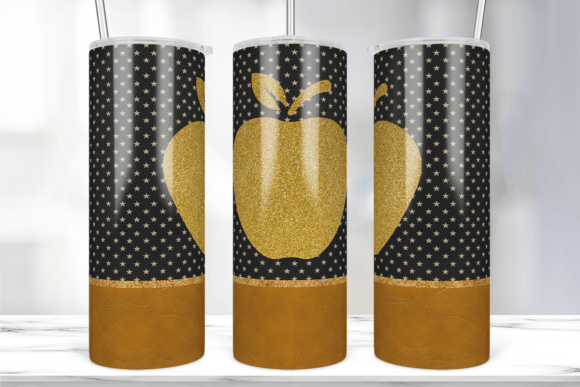
Putting the Teacher Leather Tumbler Wrap to the Practical Test
When a design file lands on my desk, my first thought is always, "How will this translate into thread?" The file name might be Teacher Leather Tumbler Wrap, suggesting a digital graphic for a drinkware surface, but my world is fabric and stitch. So, I approach this as an embroidery designer: if I drop this design into my software and send it to my machine, what kind of real-life project will it create?
The Immediate Mood and Personality
Looking at this as a Graphics file, the first impression is structured and celebratory. The "Teacher" theme is clear and central, likely wrapped with supporting motifs that feel classic and appreciative. This isn't a wild, abstract piece; it has a purpose. The mood is professional, heartfelt, and slightly traditional—perfect for creating items that honor educators. For embroidery, this means the design's personality will come through in clean shapes and distinct elements. It feels destined for a project meant as a gift or a piece of merchandise with a clear, respectful message.
The Natural Home for This Embroidery Design
My mind instantly goes to a custom sweatshirt or a sturdy tote bag. Imagine a client requesting a gift for a retiring teacher: a high-quality cotton sweatshirt embroidered with this design. The structured layout would provide excellent stitching clarity on such fabric. The design's likely detailed elements—perhaps books, apples, or subtle decorative frames—would translate well into satin stitch and fill stitch areas on a stable garment. It would feel substantial and valued.
Beyond apparel, this design also whispers potential for a beautiful pillow cover for a teacher's lounge or a decorative apron. The theme lends itself to handmade products that aren't just worn but displayed. For a small shop owner creating a line of "educator appreciation" merchandise, this embroidery file could become the cornerstone design for a whole series—totes, aprons, and tea towels—creating strong brand consistency across products.
Where It Might Need a Careful Hand
This is where practical judgment comes in. Based on the description hinting at detailed layout, I'd be cautious on very small hoop sizes or overly textured fabrics. If the design has any tiny lettering within the "Teacher Leather Tumbler Wrap" concept, dense stitch areas could become muddled on a thin, stretchy fabric like a standard t-shirt without perfect stabilizer. Embroidering it on a curved surface like a cap might require careful adjustment to keep the main elements visually centered and uncompressed.
Dark fabric backgrounds are another consideration. A design with many layered elements needs strong thread color contrast to maintain its detail and stitching clarity. I'd always advise testing on scrap fabric first—a black cotton twill and a white linen—to see how the fill stitches hold up. This step is crucial for maintaining the professional look that builds customer trust in your finished product.
The Real-Life Embroidery Scenario
Let's walk through a typical project. A creative entrepreneur has an order for a set of personalized gifts for a school's staff. They plan to make embroidered tote bags. They choose a natural canvas fabric. The Teacher Leather Tumbler Wrap design is loaded. Here’s the thinking process: The design's visual appeal hinges on its recognizability and clean execution. After stitching, will the "Teacher" theme be instantly warm and engaging? Will the stitch density be appropriate for a bag that will see daily use and washing? A bulky, overly dense embroidery might wear differently than the fabric. I'd recommend checking that the design's decorative accents aren't so fine that they vanish after a few washes, affecting the product's longevity and giftability.
For commercial embroidery projects, like producing a batch of patches for a school event, this design could excel if the scale is right. An embroidered patch based on this graphic would need to have all its elements clearly defined, with no thread bridges too thin to withstand the backing process. The result would be a professional, polished item that enhances buyer engagement at a craft fair or in an Etsy listing.
Notes for the Working Designer
Before you commit this to a final product, run through your checklist. Test the design on your scrap fabric—it’s the single best practice. Review how the potential thread colors play against both light and dark backgrounds. Inspect the small details in your software; zoom in to see if any corners or fine lines might become problematic stitches. Use proper stabilizer for the chosen fabric, especially if it's a knit or a stretchy baby clothes fabric for a nursery decor item.
Since this is a digital download from the Print Templates and Graphics category, confirm its licensing before selling your finished items. Can it be used for commercial embroidery projects, or is it for personal use only? This is a fundamental step for any small business owner or Etsy seller. Also, consider creating printable mockups of your intended finished product using this design; it helps visualize the final appeal and can be a powerful marketing asset.
Final Practical Evaluation
The Teacher Leather Tumbler Wrap, from an embroidery standpoint, feels like a reliable, theme-driven design asset. It’s not a minimalist sketch; it carries a weight of detail and purpose that will translate into a substantial embroidered piece. Its best applications are on stable, quality fabrics where its message and craftsmanship can shine—think sweatshirts, tote bags, aprons, and home decor items meant as gifts.
Its value lies in its clear audience. For a maker focusing on educator appreciation, holiday gifts, or boutique branding for school-related merchandise, this design provides a ready-made visual core. It boosts the handmade presentation by offering a complete, thoughtful theme rather than a generic graphic. When stitched with care, using the practical notes above, it should result in a product that feels both professional and personally meaningful—exactly what customers look for in a custom apparel or personalized gift.
So, load the file, hoop your test fabric, and see how it stitches. That’s the only way to truly judge any machine embroidery design. This one, with its inherent structure and celebratory mood, is likely waiting to become a very satisfying project.